

Find Your Perfect Fit: Evaluating Top EHR Solutions Like MEDITECH and More

Your EHR Is Failing. Here’s How MEDITECH Fixes It.
MEDITECH is a privately held Massachusetts-based company founded in 1969 that develops electronic health record (EHR) systems for healthcare organizations of all sizes. With over 50 years of innovation, MEDITECH serves thousands of healthcare facilities across 23 countries, offering web-based platforms like Expanse that focus on interoperability, cloud-based infrastructure, and AI-powered analytics to improve clinical workflows and patient care.
Quick Overview: What You Need to Know About MEDITECH
- Company: Founded 1969, privately held, headquartered in Westwood, Massachusetts
- Platform: MEDITECH Expanse – web-based, mobile-enabled EHR
- Scale: Thousands of healthcare organizations in 23 countries
- Technology: Cloud-native (Google Cloud partnership), AI-infused solutions, FHIR APIs
- Focus Areas: Interoperability, predictive analytics, genomics integration, regulatory compliance
- Revenue: $493.8 million (2019)
- Key Features: Traverse Exchange network, mobile physician apps, integrated revenue cycle management
Selecting an EHR system is one of the most critical infrastructure decisions a healthcare organization can make. The wrong choice leads to provider burnout, data silos, and compliance headaches. The right choice creates a foundation for improved patient outcomes, operational efficiency, and real-time data access.
For global pharma companies, public sector agencies, and regulatory bodies, the stakes are even higher. You need an EHR ecosystem that doesn’t just store data—it needs to open up that data for AI-powered pharmacovigilance, cohort analysis, and evidence generation across federated environments.
MEDITECH has evolved from its early MAGIC programming language roots to become a major player in the modern EHR space. Their journey mirrors the broader change of healthcare IT: from on-premise servers to cloud infrastructure, from static data repositories to AI-driven decision support tools, and from isolated systems to interoperable networks.
But how does MEDITECH stack up against other EHR solutions? What capabilities matter most when you’re managing diverse, siloed datasets across multiple jurisdictions? And how can you ensure your EHR choice supports not just today’s clinical workflows, but tomorrow’s federated analytics and real-time research needs?
I’m Maria Chatzou Dunford, CEO and Co-founder of Lifebit, where we’ve spent years helping pharma and public sector organizations open up the value of siloed healthcare data—including EHR systems like MEDITECH—through federated AI platforms. Throughout this evaluation, I’ll draw on practical experience helping organizations bridge the gap between clinical systems and advanced analytics infrastructure.
50 Years of EHR Evolution: How MEDITECH Fights Burnout & Data Gaps
When we talk about long-standing players in the healthcare IT space, MEDITECH invariably comes up. Founded in 1969 by A. Neil Pappalardo, Morton E. Ruderman, Curtis W. Marble, Jerome H. Grossman, and Edward B. Roberts, this privately held company has been a pioneer in the EHR space for over 50 years. Their journey began with a vision to revolutionize how healthcare information was managed, and they’ve certainly left an indelible mark.
Our research shows that MEDITECH has consistently adapted and grown, maintaining its position as a significant force in the industry. As a privately held entity, it has focused on sustained development and customer relationships. The company’s commitment to innovation is evident in its evolution through various software platforms and strategic acquisitions aimed at enhancing its product and service offerings. For instance, MEDITECH acquired Patient Care Technologies, Inc. in 2007 and LSS Data Systems in 2011 to expand its solutions. More recently, in 2018, it acquired UK-based Centennial Computer Corporation, further cementing its presence in global markets.
Today, MEDITECH boasts a significant global footprint, serving thousands of healthcare organizations across 23 countries. This widespread adoption underscores its ability to cater to diverse healthcare environments, from large hospital networks to smaller clinics. Its presence extends across critical regions including Canada, the United Kingdom, Ireland, Spain, and Singapore, demonstrating a robust international strategy. You can explore their journey through their Corporate Timeline.
The Evolution of MEDITECH Platforms
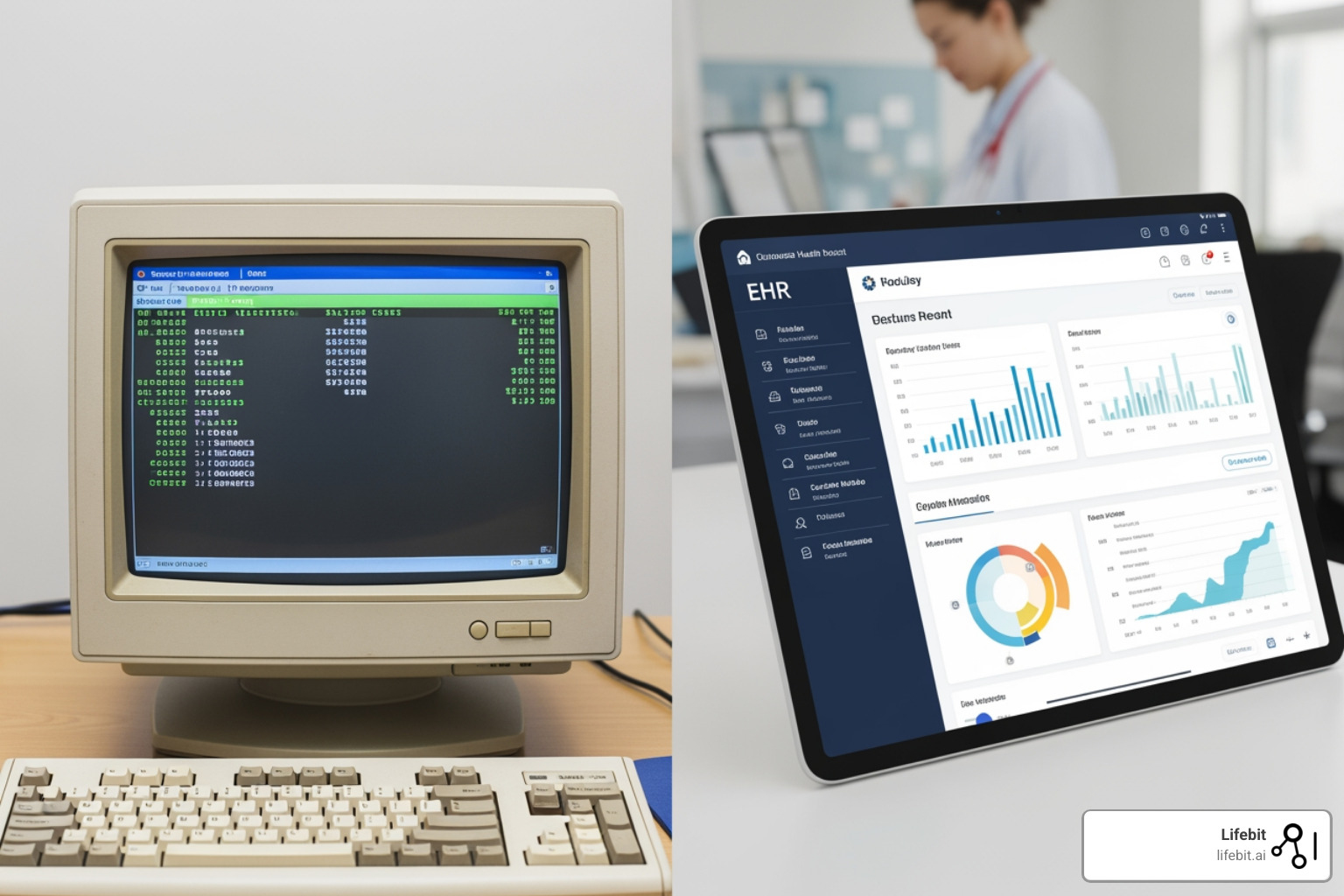
MEDITECH’s software platforms have undergone a remarkable change, mirroring the broader shifts in healthcare technology. Our journey with them began with their legacy systems, such as the MAGIC operating system/programming language adopted in 1982, and the subsequent Client/Server architecture. These earlier platforms laid the groundwork for integrated healthcare information management.
However, the digital age demanded a more agile and accessible approach. MEDITECH recognized this need and made a decisive shift towards web-based architecture. This strategic move culminated in the introduction of MEDITECH Expanse, their mobile, web-based EHR platform. This next-generation platform was designed with a strong focus on user experience, aiming to provide intuitive and interoperable solutions.
The launch of Expanse marked a significant milestone, positioning MEDITECH as a leader capable of delivering modern, cloud-based systems that enable care across diverse delivery settings. Expanse is designed to improve the physician experience, increase efficiency, and foster sustainability within healthcare organizations. It emphasizes mobile and personalized solutions to improve the efficiency of healthcare staff, a critical factor in today’s demanding clinical environments. We can see this commitment to advanced, user-centric design in their announcement: Meet Expanse: MEDITECH’s Next-Generation Platform.
Addressing Healthcare Challenges
Modern healthcare faces a multitude of challenges, and a truly effective EHR system must actively address them. MEDITECH Expanse has been engineered with these critical issues in mind, striving to alleviate burdens on providers and improve overall patient care.
One of the most pressing concerns is provider burnout. Our research highlights that EHR platforms are essential tools in reducing practitioner burnout. MEDITECH aims to combat this by providing intuitive, mobile, and personalized solutions that streamline workflows and reduce cognitive load. For example, their Expanse Now physician app allows doctors to quickly reference patient charts, update prescriptions, or check lab results from mobile devices, reducing the number of clicks and distractions. Automating clinical decision support further minimizes the mental burden on healthcare professionals, allowing them to focus more on patient interaction and less on administrative tasks.
Interoperability gaps have historically plagued healthcare, leading to fragmented patient data and inefficient care. MEDITECH has made significant strides here, focusing on robust data exchange capabilities. Their commitment to implementing the CMS Interoperability Framework and supporting initiatives like TEFCA (Trusted Exchange Framework and Common Agreement) underscores their dedication to seamless data flow. We’ll dig deeper into their interoperability solutions shortly.
The need for mobile access and patient engagement is paramount in today’s digital world. MEDITECH Expanse, being a web-based, mobile-friendly platform, allows patients to access their health information and communicate with their doctors via smartphones or computers. This empowers patients to be active participants in their own care, a vision MEDITECH actively promotes.
Finally, ensuring data accessibility is fundamental for timely and informed decision-making. By offering secure, cloud-based solutions, MEDITECH ensures that critical patient information is available across the clinic, campus, and community, regardless of physical location. This accessibility is vital for both day-to-day operations and for advancing medical research, as we discuss in our insights on Innovations in Clinical Trial Recruitment & Enrollment.
Cut Clicks, Boost Care: How Expanse’s AI, Cloud & Interoperability Delivers
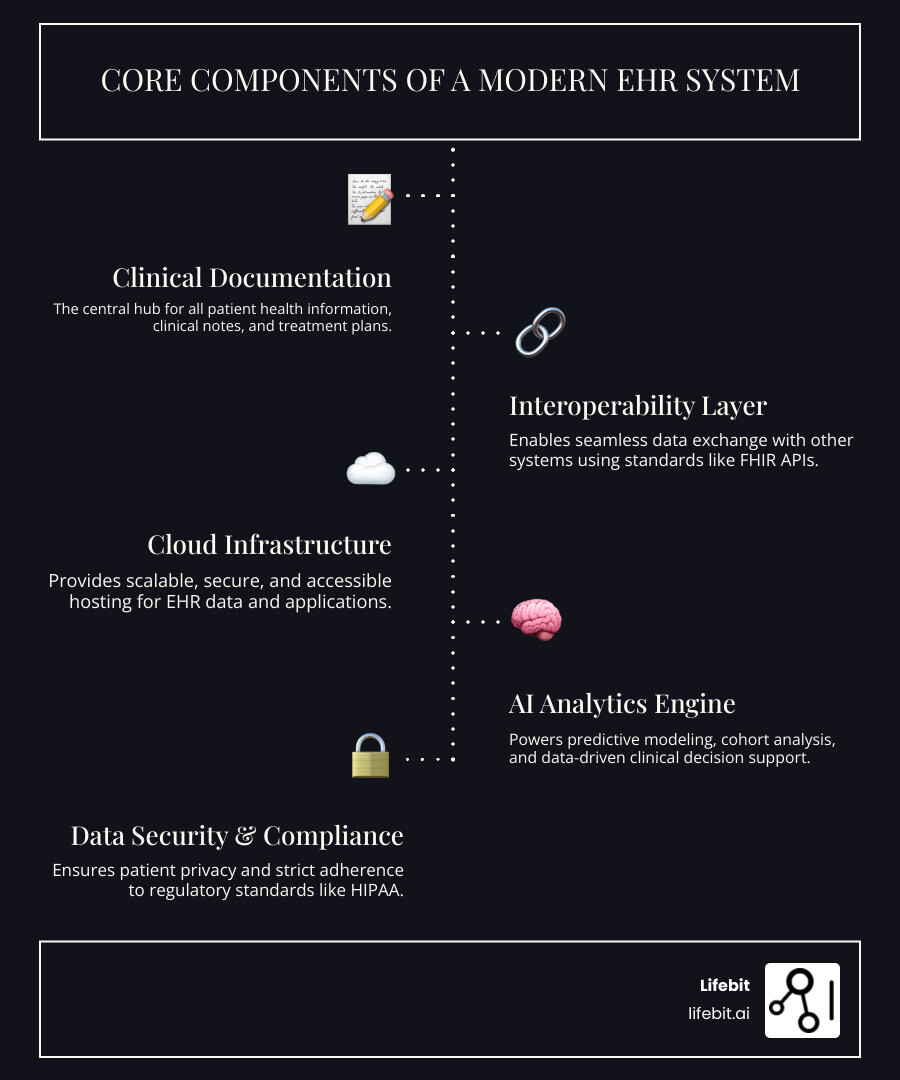
When we evaluate an EHR, we look for core capabilities that not only meet today’s demands but also anticipate tomorrow’s needs. MEDITECH Expanse is a web-native EHR platform designed to be both comprehensive and adaptable, offering features that cater to a wide spectrum of healthcare organizations.
Its web-native architecture means it’s accessible from any device with an internet connection, providing flexibility for clinicians whether they are in the hospital, clinic, or even at home. This is crucial for maintaining continuity of care and supporting diverse work environments.
A key strength of MEDITECH Expanse is its scalability. Our research indicates that MEDITECH offers software for healthcare organizations of various types and sizes. Whether it’s a large acute care center, a network of community hospitals, or a small physician’s office, Expanse is designed to grow and adapt. It provides an integrated solution across all care settings, ensuring that patient data flows seamlessly from one point of care to another. This integrated approach is vital for delivering holistic care and avoiding data silos.
Furthermore, Expanse focuses on personalized workflows. It’s not a one-size-fits-all system; instead, it allows for customization to match specific clinical and administrative processes. This flexibility helps optimize revenue, maintain cost-effectiveness, and, importantly, improve provider efficiency. The ability to tailor workflows is particularly appreciated by customers who describe MEDITECH’s offerings as enabling “uniqueness and customization for innovation.” To truly understand the breadth of what Expanse offers, we encourage you to Explore Expanse.

Leveraging AI and Cloud Technology in the MEDITECH EHR
The intelligent EHR of the future is deeply intertwined with AI and robust cloud technology, and MEDITECH Expanse is certainly on this trajectory. Our analysis shows a significant commitment from MEDITECH to leverage these advancements.
At the heart of their modern infrastructure is the MEDITECH Cloud Platform. This series of cloud-native solutions was enabled by a strategic partnership with Google Cloud. We’ve seen the benefits of such migrations: MEDITECH successfully migrated more than 2,000 virtual machines (VMs) from its on-premise servers to Google Cloud, on-time and under budget. This move was not merely about cost savings; it was about defining new expectations for industry-leading EHR capabilities, enhancing team collaboration, and accelerating the development and deployment of new features.
The shift to Google Cloud has empowered MEDITECH to infuse AI into its solutions. While specific details on every AI algorithm are proprietary, the stated goals include improving physician experience, increasing efficiency, and innovating in areas like predictive analytics and genomics. For instance, AI-powered search and analytics capabilities within Expanse can help clinicians quickly retrieve relevant patient information and identify patterns that might indicate health risks. Predictive modeling can assist in anticipating patient needs, optimizing resource allocation, and even predicting potential adverse events.
This integration of AI and cloud technology allows for more granular monitoring, enabling MEDITECH to proactively identify and address issues within its own or a customer’s environment. This ultimately contributes to more reliable service and improved patient care. The flexibility provided by cloud infrastructure also facilitates the integration of third-party applications, creating a more comprehensive ecosystem for healthcare providers. For those interested in the power of real-world data in such systems, we have more information available on Real World Data.
Fostering Interoperability and Data Exchange
Interoperability is no longer a luxury in healthcare; it’s a necessity. For global pharma, public health, and research, the ability to seamlessly exchange and interpret health data across disparate systems is foundational. MEDITECH has made significant strides in fostering a connected care ecosystem through its interoperability initiatives.
A cornerstone of their strategy is the Traverse Exchange network. This nationwide network is designed to facilitate the secure exchange of critical patient data, providing a consolidated patient summary that improves clinician efficiency and reduces cognitive load. By integrating data from multiple sources into a streamlined view, clinicians gain a more complete understanding of their patients without navigating countless systems. The introduction of the Traverse Exchange Interoperability Network for the US market demonstrates their commitment to a connected future.
MEDITECH is also a proud member of the CommonWell Health Alliance, an organization dedicated to advancing interoperability across the healthcare continuum. This participation reinforces their commitment to industry-wide data sharing standards. Furthermore, MEDITECH actively supports the Trusted Exchange Framework and Common Agreement (TEFCA), an initiative aimed at creating a single, nationwide health information exchange framework. We understand the importance of frameworks like TEFCA in enabling advanced interoperability, and MEDITECH’s dedication here is crucial for the future of health data.
Their commitment extends to leveraging modern standards like FHIR (Fast Healthcare Interoperability Resources) APIs, which are essential for enabling robust patient data sharing and facilitating the development of innovative third-party applications. MEDITECH has pledged to implement the CMS Interoperability Framework, underscoring its dedication to data sharing for improved outcomes and empowering patients to actively participate in their care. Understanding these foundational concepts is key to evaluating EHRs, and you can learn more about Define HIE and Medical Research Data Sharing on our blog.
Avoid Costly Fines: How MEDITECH Ensures HIPAA, Cures Act & ISO 27001 Compliance
In the highly regulated world of healthcare, compliance and data security are non-negotiable. For any organization, especially those dealing with sensitive patient information across international borders, an EHR’s ability to steer complex regulatory landscapes and protect data is paramount. MEDITECH understands this deeply, operating within a secure and compliant framework.
Our research highlights MEDITECH’s extensive efforts in regulatory reporting, which covers a vast array of requirements from various bodies. They provide comprehensive resources and documentation to help their customers meet these obligations, acting as a guide through the labyrinth of healthcare regulations.
Data security is backed by robust certifications. MEDITECH holds both ISO 9001:2015 Certification and ISO 27001 Certification. The ISO 27001 certification, in particular, is a globally recognized standard for information security management systems, demonstrating a systematic approach to managing sensitive company and customer information. This provides a strong assurance of their commitment to protecting patient data.
Beyond compliance, MEDITECH is also invested in patient safety initiatives. They offer guidance, often in collaboration with organizations like ECRI, to help healthcare organizations implement smarter, system-wide solutions that reduce risk, protect patients, and improve outcomes. This proactive approach to safety, combined with their robust security measures, is essential for building trust in an EHR system. For deeper insights into this critical area, we recommend exploring our article on Healthcare Data Compliance.
Key Regulatory Areas and Resources
Navigating the complex web of healthcare regulations can be a daunting task for any organization. MEDITECH provides extensive resources and support to help its customers maintain compliance across numerous key regulatory areas, particularly those relevant to the USA, Canada, and Europe.
In the USA, MEDITECH addresses critical mandates stemming from the 21st Century Cures Act, offering resources for USCDI (United States Core Data for Interoperability) and information sharing. They provide support for the Promoting Interoperability (PI) Program and the Quality Payment Program (QPP), which includes the Merit-based Incentive Payment System (MIPS) for eligible clinicians. This ensures that their clients can meet the requirements for these incentive programs.
HIPAA compliance is, of course, a fundamental requirement, and MEDITECH offers resources dedicated to ensuring their EHR systems support these privacy and security standards. They also assist with quality reporting initiatives such as HEDIS (Healthcare Effectiveness Data and Information Set) and address the growing importance of Social Determinants of Health (SDOH) in patient care.
Beyond federal regulations, MEDITECH also supports compliance with bodies like The Joint Commission, an independent organization that accredits and certifies healthcare organizations in the USA. You can find more details on their accreditation efforts at The Joint Commission accreditation. Furthermore, their commitment to information security is underlined by their ISO 27001 Certification details, a globally recognized standard. For their Canadian customers, MEDITECH provides specific Canadian Regulatory resources, acknowledging the unique requirements of that healthcare system. They also offer regular updates for APC files and MS-DRG Grouper versions, which are crucial for accurate billing and reimbursement in various healthcare settings.
The ROI of a Connected EHR: MEDITECH’s Impact on Patient Outcomes & Hospital Growth
MEDITECH’s vision for the future of healthcare technology is deeply rooted in creating a connected care ecosystem where data empowers both providers and patients. We see this commitment reflected in their ambitious goal: to help build a world where every patient can access their health information and actively participate in their own care. This means moving beyond simply storing data to making it actionable and accessible, fostering a true partnership between patients and their healthcare teams.
This vision translates into tangible real-world impacts, driving data-driven clinical decisions. By leveraging an intelligent EHR like Expanse, clinicians are equipped with the necessary information at their fingertips, enabling them to make more informed and timely decisions. This directly contributes to improved patient outcomes and improved operational efficiency for healthcare organizations.
A significant focus for MEDITECH is on community health. Their solutions aim to support this by providing tools that help organizations understand and address the needs of their patient populations. For example, their Financial Status Dashboard helps hospitals make strategic decisions about resource allocation, such as expanding operating rooms or adding off-site clinics, directly impacting community access to care. We’ve also observed their efforts to integrate social determinants of health (SDOH) screening directly into the EHR, allowing providers to identify and address non-medical factors influencing patient well-being. This holistic approach to patient care and community wellness is critical in today’s healthcare landscape. You can read a compelling example of how their solutions drive financial and operational improvements in this Customer success story from Roosevelt General Hospital.
Industry Engagement and Innovation
MEDITECH’s commitment to innovation extends beyond product development into active engagement with the broader healthcare IT community. They understand that true progress comes from collaboration, knowledge sharing, and staying at the forefront of industry trends.
Their signature event, MEDITECH LIVE, serves as a key platform for bringing together healthcare visionaries to share ideas, explore innovations, and collectively build a brighter, more connected future of care. These events are crucial for fostering dialogue around critical topics such as AI, interoperability, rural health, and policy. We can see the excitement and insights from past gatherings, as you can Relive the MEDITECH LIVE 25 event.
MEDITECH also actively supports and participates in user group conferences, such as those organized by MUSE (MEDITECH Users Software Exchange). These peer-driven events provide invaluable opportunities for customers to share best practices, discuss challenges, and provide direct feedback to MEDITECH, ensuring that product development remains aligned with real-world needs. Their presence at the CHIME (College of Healthcare Information Management Executives) Fall Forum further demonstrates their engagement with healthcare leadership, sponsoring sessions on digital change and community health.
Beyond the USA, MEDITECH’s international engagement is robust. For instance, the MEDITECH Users Network (MUN) Annual Conference, held in locations like Liverpool in the UK, brings together healthcare leaders, partners, and staff from across the UK, Ireland, and beyond. These conferences are themed around implementation, innovation, and optimization, reflecting a global commitment to advancing digital health strategies. This ongoing engagement and a culture of continuous research and development are vital for an EHR vendor to remain relevant and impactful in a rapidly evolving technological landscape.
Your EHR Is Just Step One: How to Unlock Its Full Research Value
Choosing the right EHR system is a monumental decision, one that impacts every facet of a healthcare organization, from clinical workflows to financial health and long-term research potential. Our deep dive into MEDITECH reveals a company with a rich history of over 50 years in the EHR space, consistently evolving its platforms to meet the complex demands of modern healthcare.
We’ve seen how MEDITECH Expanse, their web-native, mobile-first platform, addresses critical challenges like provider burnout and interoperability gaps. Its scalability ensures it can serve organizations of all sizes, while its focus on personalized workflows improves efficiency and user satisfaction. The strategic partnership with Google Cloud has propelled MEDITECH into the field of advanced cloud technology, enabling AI-infused solutions for predictive analytics and more robust data management.
Interoperability is a clear strength, with initiatives like the Traverse Exchange network, CommonWell Health Alliance membership, and support for TEFCA and FHIR APIs, all aimed at creating a truly connected care ecosystem. Furthermore, MEDITECH’s commitment to regulatory compliance, backed by certifications like ISO 27001, provides essential assurance in a highly regulated environment. Their vision for empowering patients with data access and driving data-driven clinical decisions, coupled with active industry engagement through events like MEDITECH LIVE and the MUN Annual Conference in the UK, paints a picture of a forward-thinking organization.
For global pharma, public health agencies, and research institutions, the ability to leverage EHR data for advanced research is paramount. This is where the intersection of a robust EHR system and a powerful data analytics platform becomes critical. While MEDITECH provides an excellent foundation for clinical data capture and management, open uping its full potential for large-scale, federated research often requires specialized tools.
At Lifebit, we understand the complexities of integrating diverse healthcare datasets, including those from EHRs like MEDITECH, into secure, research-ready environments. Our next-generation federated AI platform is designed to provide secure, real-time access to global biomedical and multi-omic data, with built-in capabilities for harmonization, advanced AI/ML analytics, and federated governance. This approach allows organizations to conduct compliant research and pharmacovigilance across hybrid data ecosystems, changing raw EHR data into real-time evidence and actionable insights.
The perfect EHR solution is one that not only streamlines current operations but also future-proofs your organization for the next wave of data-driven healthcare innovation. By carefully evaluating core capabilities, interoperability, compliance, and the potential for advanced analytics, you can make an informed choice that truly lifts patient care and accelerates medical findy. To learn how to build a secure and compliant infrastructure for your healthcare data, explore our guide on Learn how to build a secure Healthcare Data Management Platform.