

Navigating the UK Biobank Your Essential Data Access Guide
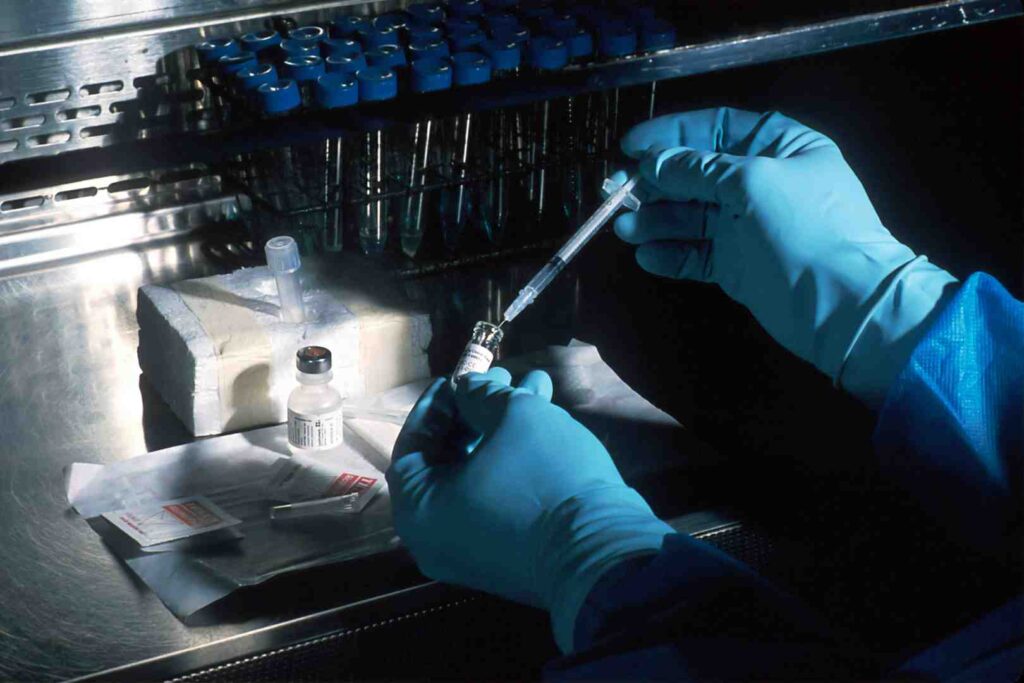
Open up UK Biobank Now: 500,000 Genomes, 30 PB of Health Data—Secure, Fast Access
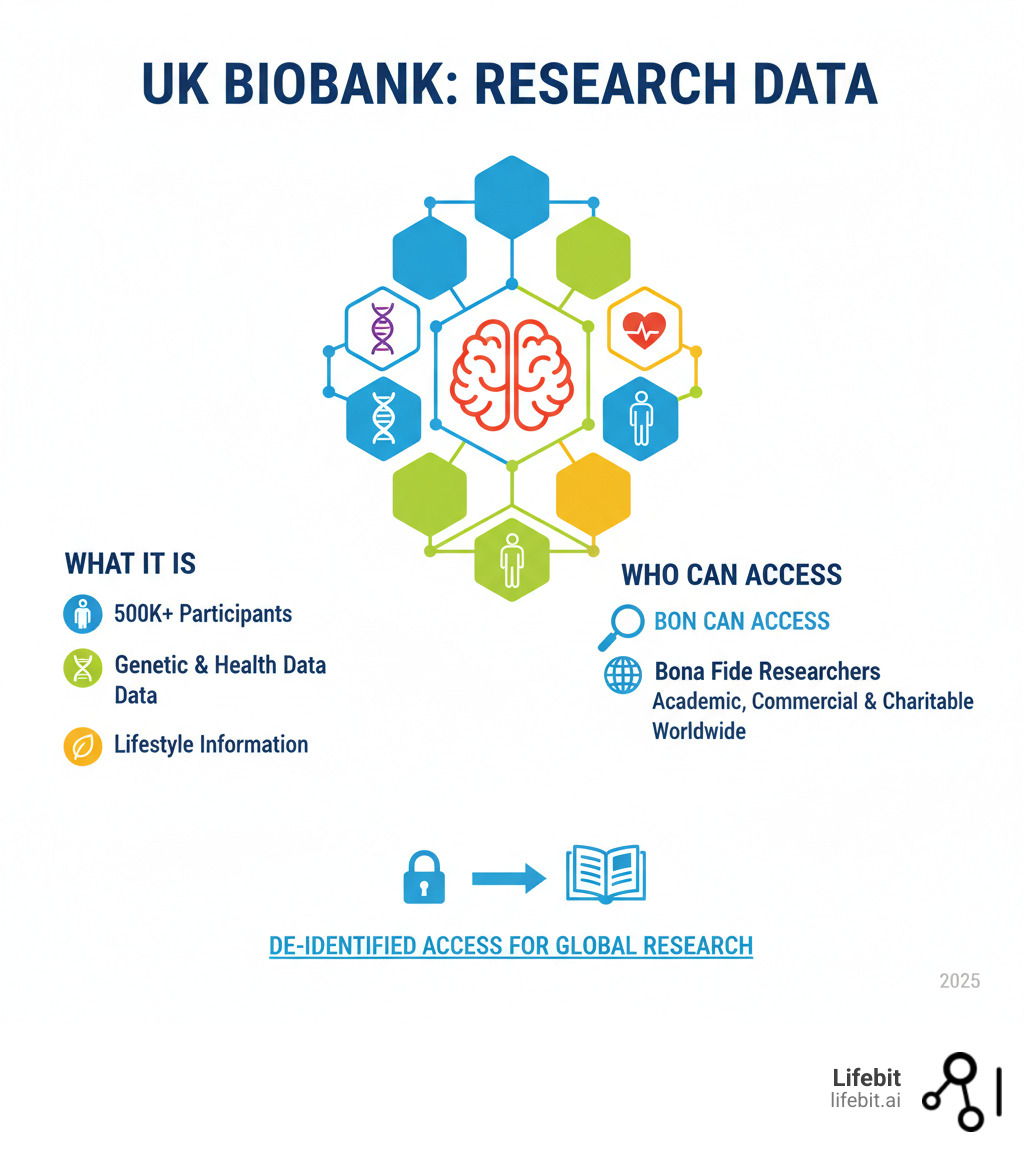
UK Biobank is the world’s most comprehensive biomedical database, with genetic, health, and lifestyle data from over 500,000 participants. It gives researchers worldwide unprecedented access to de-identified medical information to advance disease prevention, diagnosis, and treatment.
Quick Access Overview:
- Who can access: Any bona fide researcher from academic, commercial, or charitable organizations worldwide
- Application process: Online registration via the UK Biobank Access Management System (AMS)
- Data scope: 30+ petabytes of data including genetic sequences, imaging, lifestyle questionnaires, and health records
- Cost: Variable fees based on data requested and organization type
- Platform: UK Biobank Research Analysis Platform (RAP) for secure, cloud-based analysis
- Review timeline: Applications undergo a fair and transparent review for health-related, public interest research
The database holds over 15 million biological samples and represents the largest whole-genome sequencing, proteomic, and human imaging projects ever assembled. Since 2012, it has enabled over 9,000 peer-reviewed publications and serves more than 30,000 registered researchers from over 90 countries.
I’m Maria Chatzou Dunford, CEO and Co-founder of Lifebit. For over 15 years, I’ve focused on building platforms for secure, federated analysis of UK Biobank and other large-scale biomedical datasets. My work developing genomic analysis tools and trusted research environments helps researchers worldwide analyze complex health data while ensuring compliance and security.
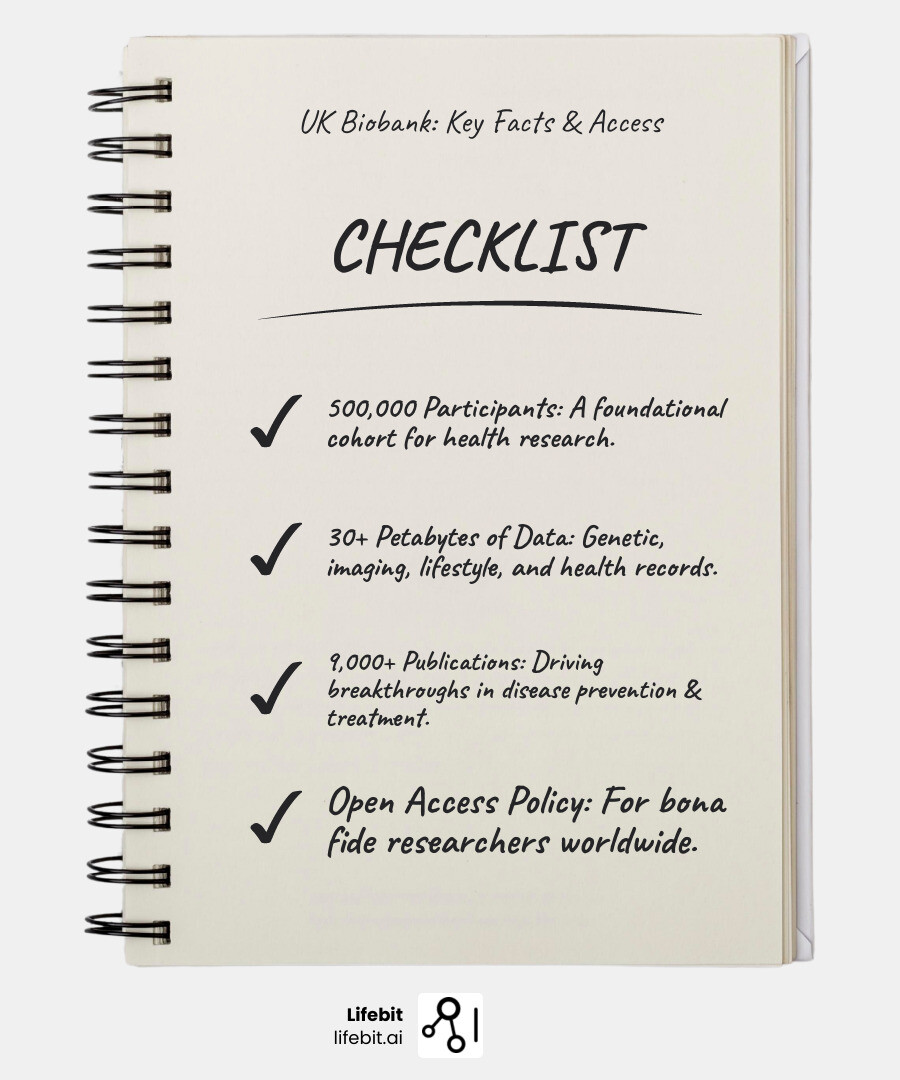
What’s Inside the UK Biobank? Best Data Depth for Health Research
The UK Biobank is built on the contributions of half a million volunteers who have created an unparalleled resource for health research. Between 2006 and 2010, participants aged 40-69 from across the UK agreed to let researchers follow their health for at least 30 years. Each participant underwent a comprehensive 2.5-hour baseline assessment, providing detailed lifestyle information, a wide array of physical measurements, and multiple biological samples. While the initial cohort was noted to be largely healthy and of white European descent—a limitation the research community is actively working to address with new cohorts—the long-term follow-up provides a unique and powerful window into how lifestyle, environment, and genetics interact to shape health and disease over the human lifespan.
At Lifebit, we’re committed to ensuring this incredible depth of data can be fully leveraged by researchers worldwide, helping to uncover insights that might otherwise remain hidden in its complexity.
Massive, Multi-Layered Data Collection—Your Research Advantage
The power of UK Biobank lies in its rich, multi-layered dataset that connects every aspect of life to health. Participants completed detailed questionnaires covering a vast range of topics, including diet, alcohol and tobacco use, physical activity, occupation, early life factors, and family medical history. Over 200,000 participants have since provided follow-up information through web-based responses on everything from pain and cognition to work and environment.
The physical measurements were extensive and designed to capture a holistic view of health. Beyond standard metrics like blood pressure, height, weight, and body composition, the assessment included grip strength (a key indicator of frailty), spirometry for lung function, bone density scans using ultrasound, hearing and vision tests, arterial stiffness measurements, and electrocardiograms (ECGs) at rest.
Perhaps most valuable are the 15 million biological samples—blood, urine, and saliva—collected and stored in automated archives for future analysis. These samples, including plasma, serum, and buffy coat fractions, enable a vast range of biochemical assays and provide the genetic material that makes UK Biobank revolutionary. Early genomic assays examined 820,967 single nucleotide polymorphisms (SNPs) on a custom-designed array, enabling the first wave of genome-wide association studies (GWAS). By 2023, exome sequence data—which covers the protein-coding regions of the genome—was available for 470,000 individuals. The game-changer came in 2023 with the release of whole genome sequencing (WGS) data for all 500,000 participants. This WGS release, the world’s largest for medical research, provides a complete view of genetic variation, including rare variants that exome sequencing and SNP arrays miss, opening up new frontiers in disease research.
As the foundational paper “UK Biobank: An Open Access Resource” explains, this comprehensive approach was designed from the outset to allow detailed investigations into both genetic and non-genetic determinants of disease across a wide spectrum of conditions.
Advanced Phenotyping and Longitudinal Follow-Up
The UK Biobank dataset is continuously growing in depth and breadth. The multimodal imaging project, the world’s largest of its kind, has scanned 100,000 volunteers. This includes MRI scans of the brain (to study structure, function, and age-related changes), the heart (to assess cardiac function and morphology), and the abdomen (to quantify visceral fat and organ health), along with full-body DXA scans for bone density and body composition, and carotid artery ultrasounds to measure atherosclerosis. To capture real-world activity patterns, 100,000 participants also wore wrist-worn accelerometers for a week.
Participants also contributed through web-based questionnaires on specialized topics like cognitive function, mental health, and work history. The molecular phenotyping continues to expand at a breathtaking pace. NMR metabolomic data on over 400,000 participants was released in 2021, providing a snapshot of metabolic processes. In 2023, this was followed by the release of circulating protein measurements for over 54,000 participants using the Olink Explore 1536 platform, creating the world’s largest proteomic database and enabling deep investigation into disease biomarkers.
Crucially, linkages to national datasets continuously update participants’ health status through anonymized connections to death and cancer registries, hospital episode statistics, and primary care data. By 2017, this already included 1.3 million hospitalizations and 40,000 cancer incidents, and these numbers grow daily. This passive, long-term follow-up enriches the dataset every year, making it an indispensable, dynamic resource for understanding human health and disease—the kind of complex, multi-omic data our Lifebit platform is specifically designed to handle at scale.
Researchers interested in accessing UK Biobank must apply directly through UK Biobank’s Access Portal
Accessing the UK Biobank is open to bona fide researchers from academic, charitable, public, and commercial organizations worldwide. The guiding principle is that your proposed research must be health-related and in the public interest. This promise to the 500,000 volunteers ensures their contribution is used to advance global health. Since 2012, this open-access approach has attracted over 30,000 researchers from more than 90 countries, creating a vibrant global community.

For the most current and accurate guidance on how to apply for access, please refer directly to UK Biobank’s official website: www.ukbiobank.ac.uk.
Getting started is a straightforward, multi-step process. First, you must register as a researcher through the UK Biobank Access Management System (AMS) to establish your credentials. You can begin at the Login to the Access Portal.
Next, you will create and submit your application. This involves clearly defining your research questions, providing a scientific rationale, and specifying the exact data fields you need. Researchers use the comprehensive UK Biobank Data Showcase to browse thousands of available data fields and build a “basket” of required variables. Your application must also articulate the public health benefit of your proposed work. The review process is fair, transparent, and overseen by the Access Sub-Committee, which evaluates each proposal on its scientific merit, public interest alignment, and feasibility. Once approved, you’ll sign a legally binding material transfer agreement (MTA). This MTA commits you to robust data security practices, using the data only for the approved research, publishing your findings openly, and—critically—returning your derived data and results to enrich the resource for all future researchers.
Analyze UK Biobank Data at Scale
With approval, you face the significant technical challenge of analyzing over 30 petabytes of data. Downloading datasets of this magnitude is impractical, insecure, and inefficient. Instead, modern analysis is conducted within secure cloud-based platforms known as Trusted Research Environments (TREs). The official UK Biobank Research Analysis Platform (RAP), built by DNAnexus, provides a centralized cloud environment with secure storage, computing power, and analysis tools for approved researchers.
Lifebit supports research institutions and enterprises that hold their own copies of UK Biobank data under licence. Our platform enables secure analysis and governance for organisations managing large-scale biomedical datasets, including those comparable in scale and complexity to UK Biobank.
Lifebit is not affiliated with or endorsed by UK Biobank. This article is a third-party overview of UK Biobank and how researchers can securely analyze large-scale datasets within approved environments.
- Scalability: As datasets like the 500,000 whole genomes grow, our federated Data Lakehouse architecture is engineered to handle colossal data volumes smoothly. This allows you to run complex queries and large-scale computational analyses across petabytes of data, so you can focus on science, not on managing infrastructure.
- Security: Our platform supports secure analysis of licensed large-scale biomedical datasets within clients’ own controlled cloud environments.
- Collaboration: Our platform is built for teamwork. It enables research teams across the globe to work together seamlessly on UK Biobank projects in a shared, secure workspace, breaking down geographical and institutional barriers to accelerate discovery.
- Compliance: Our Lifebit Platform has end-to-end Data Governance built-in. It automates audit trails, access controls, and policy enforcement, ensuring your research meets the highest ethical and regulatory standards (like GDPR and HIPAA) without you needing to be a compliance expert.
Our platform is a complete ecosystem for secure, real-time access to biomedical and multi-omic data. With embedded AI/ML analytics, containerized bioinformatics workflows, and interactive analysis tools, we help researchers accelerate findings across Genomics, Precision Medicine, and Real World Data applications. Lifebit’s platform supports organisations managing licensed UK Biobank data within their own secure cloud environments. We do not provide access to UK Biobank data, nor are we affiliated with the UK Biobank organisation.
Real-World Impact: Breakthrough Findies Powered by UK Biobank Data
The true measure of UK Biobank is its tangible impact on human lives through groundbreaking research. With over 9,000 peer-reviewed publications to date, including more than 3,000 in 2023 alone, the resource is fundamentally reshaping our understanding of health and disease. From cardiovascular disease and cancer risk to the early signs of dementia and the long-term effects of COVID-19, UK Biobank data is the engine powering research that informs clinical practice and saves lives.

Landmark Studies in Genetics, Lifestyle, and Chronic Disease
The constant stream of research from UK Biobank data provides direct, actionable health insights and has become a cornerstone of modern genetic and epidemiological investigation.
Genetics and Disease Prediction: The dataset has been instrumental in the development and validation of Polygenic Risk Scores (PRS). These scores aggregate the effects of thousands or millions of genetic variants to predict an individual’s risk for common diseases. Landmark studies using UK Biobank have demonstrated the power of PRS in identifying individuals at high risk for coronary artery disease, breast cancer, and type 2 diabetes, paving the way for personalized screening and prevention strategies.
Lifestyle and Environmental Factors: Research has consistently highlighted the profound impact of lifestyle on health outcomes. For instance, a 2022 review linked road traffic noise exposure to a significantly higher risk of cardiovascular disease, stroke, and all-cause mortality. Another study connected long-term exposure to air pollution to the development of late-life eczema, suggesting that cleaner air policies could prevent thousands of cases annually. Studies on diet consistently show that pescatarians and vegetarians have a lower risk of colorectal and prostate cancer than red meat eaters, while processed meat is linked to increased breast cancer risk. Other research found a Mediterranean diet correlates with a lower risk of developing rheumatoid arthritis.
Neuroscience and Mental Health: The resource is providing unprecedented insights into brain health. A 2023 review found that a strong sense of purpose in life decreased dementia risk, while social isolation increased it, highlighting the critical importance of social connection and mental engagement for healthy aging. The large-scale brain imaging data has enabled researchers to map the genetic architecture of brain structures and identify subtle changes that predate clinical diagnoses of neurodegenerative diseases.
A Vital Tool for Global Health Crises and Drug Discovery
During the COVID-19 pandemic, UK Biobank became an invaluable global resource. Because baseline health data existed for all participants, researchers could rapidly investigate risk factors for severe disease. Studies quickly confirmed that obesity, age, and other pre-existing conditions increased the risk of hospitalization from the virus. Furthermore, genetic analyses identified key host-genetic factors, such as variants in the OAS1 gene cluster, that influence susceptibility to severe COVID-19. Other research revealed COVID-19’s lingering effects on the brain, including reduced grey matter and cognitive decline, even in mild cases.
Beyond epidemiology, the data is a powerful engine for drug discovery and development. By linking genetic variants to disease outcomes (a concept known as human genetic validation), pharmaceutical companies can identify promising new drug targets with a higher probability of success in clinical trials and better understand potential side effects. For researchers interested in genetic associations, the Pan-ancestry GWAS results from the Broad Institute offer a wealth of additional insights. At Lifebit, our federated platform is designed to support this complex, multi-faceted research, helping scientists turn raw data into actionable health insights that can transform medicine.
For the latest data access policies, governance frameworks, and program developments, please refer directly to UK Biobank’s official website.
Protecting Privacy and Ethics—Your Research, Their Trust
UK Biobank‘s approach to privacy and ethics is uncompromising and built on a foundation of participant trust. All 500,000 participants provided broad informed consent, a forward-thinking model at the time. They agreed that their data and samples could be used for any health-related research in the public interest, for at least 30 years, without needing to be re-consented for each new study. This model is what makes the resource so powerful and versatile.
To protect this trust, all data provided to researchers is de-identified, stripping it of direct personal details like names, full addresses, and National Insurance numbers. This process of pseudonymization creates a strong protective barrier between a person’s identity and their health information. Furthermore, UK Biobank enforces robust security through the “Five Safes” framework: Safe People (bona fide researchers), Safe Projects (approved, public-interest research), Safe Settings (secure analysis platforms), Safe Data (de-identified information), and Safe Outputs (results are checked to prevent disclosure). Every researcher signs a legally binding material transfer agreement that explicitly prohibits any attempt at re-identification and restricts data use to the approved research project only. Violating these rules is a serious breach of contract and a betrayal of public trust.
Researchers also commit to publishing their findings openly and returning derived data—such as new genetic associations or imaging-derived phenotypes—to UK Biobank. This enriches the resource for everyone, creating a virtuous cycle of discovery. The organization has consistently addressed public concerns about data use by reaffirming its commitment to strict de-identification and public-interest research. You can review the complete Ethics and Governance Framework for full details.
At Lifebit, these principles are woven into the very fabric of our platform, which is designed to uphold and enhance the highest standards of data privacy and security.
What’s Next for UK Biobank? Even More Data, More Opportunity
UK Biobank is a dynamic resource that continues to evolve. The whole genome sequencing of all 500,000 participants, completed in 2023, is the largest dataset of its kind and is opening entirely new avenues for research into rare genetic diseases and the non-coding genome. The imaging project is also expanding, with plans for repeat imaging of up to 60,000 participants. This longitudinal imaging will be revolutionary, allowing researchers to track changes in brains, hearts, and bodies over time to understand disease progression and the effects of aging.
New proteomic and metabolomic data releases are on the horizon, offering ever-deeper views into cellular processes and disease biomarkers. Physically, UK Biobank is moving its headquarters, sample archive, and processing laboratories to a new purpose-built facility at Manchester Science Park. This state-of-the-art hub will feature advanced robotics for high-throughput sample management and will serve as a central point for UK and global health innovation.
Most importantly, UK Biobank‘s open access model continues to inspire similar large-scale cohort studies worldwide, fostering a global ecosystem of interoperable data and collaborative research. The combination of expanding data, advancing technology, and a growing, collaborative research community means its potential to transform human health is only just beginning to accelerate. At Lifebit, we provide the analytical tools to help researchers navigate this ocean of data and turn it into life-changing insights.
UK Biobank Access: Your Top Questions Answered
Navigating a resource as expansive as UK Biobank brings up questions. Here are answers to the most common queries from researchers.
Who can access UK Biobank data?
UK Biobank‘s open access model is inclusive. Any bona fide researcher can apply, whether you work in academia, for a charity, in the public sector, or in commercial industry. Researchers from any country are welcome.
The key requirements are that your research must be health-related and in the public interest. This ensures the contributions of the 500,000 participants advance human health. The review process is fair, evaluating applications on scientific merit and public benefit. Since 2012, this has attracted over 30,000 researchers from more than 90 countries.
How much does it cost to access the data?
As a charity, UK Biobank charges fees to cover the costs of maintaining the resource and providing secure access. This cost-recovery model ensures its long-term sustainability. The actual cost varies based on the data fields requested, the volume of data, and your organization type (academic vs. commercial).
If you use the cloud-based analysis environment, there is no upfront charge for access, but you incur fees for storage, computing, and analysis, paid directly to the platform provider. Support is available for researchers facing financial barriers.
How is participant privacy protected?
Protecting participant trust is paramount. Every piece of data that reaches researchers has been carefully de-identified, meaning personal details like names, full addresses, and complete dates of birth are removed. You work with rich health data without being able to connect it to specific individuals.
Protection is reinforced by a legally binding material transfer agreement. This contract explicitly prohibits any attempt to re-identify participants and restricts data use to your approved project. These are enforceable legal obligations.
Robust technical security measures, including monitoring systems and access controls, prevent unauthorized use. At Lifebit, our platform is built on these same principles. When organisations analyze licensed biomedical datasets within a Lifebit Trusted Research Environment, data remains in a secure, compliant cloud environment that reinforces these protections. This multi-layered approach of de-identification, legal agreements, and technical safeguards protects privacy while enabling transformative research.
Conclusion: Don’t Miss Out—Open up UK Biobank Data with Lifebit and Transform Health Research
The UK Biobank is a gift from half a million people who believed their health data could change the world. It has already sparked thousands of breakthroughs, democratizing research and accelerating findies that once seemed decades away. The story is far from over. With complete whole genome sequencing, expanding imaging, and new proteomic data, the possibilities for Precision Medicine are multiplying.
But data this powerful is also complex and requires immense security. That’s why we built Lifebit. Our platform is designed to support organisations working with complex, population-scale biomedical datasets. We handle the infrastructure and compliance so you can focus on the science.
Whether you’re in biopharma, academia, or public health, Lifebit empowers you to dig deep into UK Biobank data while upholding the ironclad privacy protections participants deserve. Our federated AI platform brings together harmonization, advanced analytics, and governance in one seamless environment.
The next breakthrough is waiting in the data. Don’t let complexity stand in your way. With Lifebit’s secure, scalable platform, you can open up the full potential of UK Biobank and contribute to a healthier future.
Disclaimer: Lifebit is not affiliated with or endorsed by UK Biobank. This article reflects a third-party overview and commentary on the resource. Access to UK Biobank data is governed solely by UK Biobank’s official application procedures. Lifebit supports secure data infrastructure for clients who have approved access to datasets under their own licences.