

9 Best Biopharma Data Harmonization Tools in 2026
Biopharma R&D teams lose months—sometimes years—trying to merge clinical trial data, genomic datasets, and real-world evidence into formats that actually work together. Different standards, incompatible schemas, and regulatory requirements turn what should be straightforward analysis into a data engineering nightmare.
The tools in this guide solve that problem. We evaluated each platform on harmonization speed, compliance capabilities, scalability, and total cost of ownership. Whether you’re standardizing to OMOP, CDISC, or custom ontologies, these platforms represent the best options available for biopharma organizations in 2026.
1. Lifebit Trusted Data Factory
Best for: Organizations that need AI-powered harmonization at speed without moving sensitive data.
Lifebit Trusted Data Factory is an AI-powered platform that transforms siloed biopharma data into analysis-ready formats in 48 hours instead of the traditional 12-month timeline.
Where This Tool Shines
The standout feature is the AI automation layer that handles what traditionally requires teams of data engineers. Instead of manually mapping fields and resolving inconsistencies, the platform’s AI learns your data structure and applies harmonization rules automatically.
What sets it apart is the federated approach. Your data never moves from its original location—harmonization happens where the data lives. For organizations managing genomic data across multiple cloud environments or dealing with cross-border regulatory constraints, this architecture eliminates the compliance headaches that come with data movement.
Key Features
AI-Automated Harmonization: Supports OMOP, CDISC, and custom ontologies with machine learning-driven field mapping and validation.
48-Hour Deployment: Go from raw data to analysis-ready datasets in two days versus the typical year-long manual harmonization projects.
Federated Architecture: Analyze data across multiple sources without copying or moving it—critical for GDPR, HIPAA, and GxP compliance.
Multi-Modal Data Support: Handles genomic, clinical trial, and real-world evidence data simultaneously with appropriate transformations for each type.
Built-In Compliance: Pre-certified for HIPAA, GDPR, GxP, and FedRAMP—compliance is embedded in the platform, not bolted on afterward.
Best For
Biopharma R&D teams under pressure to accelerate drug development timelines, organizations managing sensitive data across multiple jurisdictions, and academic consortia that need to harmonize data without centralizing it. Particularly valuable when you’re integrating genomic data with clinical outcomes.
Pricing
Custom enterprise pricing based on data volume and deployment model. The ROI calculation typically focuses on time savings—months of engineering work compressed into days.
2. Veeva Vault CDMS
Best for: Clinical trial sponsors who need CDISC-compliant data management from study start to regulatory submission.
Veeva Vault CDMS is a cloud-native clinical data management system with native CDISC standardization built into the platform architecture.
Where This Tool Shines
Veeva built CDISC CDASH and SDTM support directly into the data collection layer. Your trial data is captured in standardized formats from day one, eliminating the back-end transformation work that plagues other EDC systems.
The platform integrates tightly with the broader Veeva ecosystem. If you’re already using Veeva for regulatory submissions or clinical operations, the data flows seamlessly between systems without custom integration work.
Key Features
Native CDISC Support: Data captured in CDASH format with automated SDTM mapping—no post-processing required.
Unified Platform: Combines EDC, CTMS, and eTMF in a single environment with consistent data models across modules.
Real-Time Data Review: Built-in edit checks and query management with immediate validation against CDISC conformance rules.
21 CFR Part 11 Compliance: Electronic signatures, audit trails, and data integrity controls meet FDA requirements out of the box.
Study Build Efficiency: Library of standard forms and visit schedules reduces study startup time for common protocol designs.
Best For
Mid-to-large pharmaceutical companies running traditional clinical trials with regulatory submission requirements. Especially valuable if you’re already invested in the Veeva ecosystem and need consistent data standards across clinical operations.
Pricing
Enterprise pricing typically runs mid-six figures annually for large sponsors. Costs scale with the number of active studies and user seats.
3. IQVIA Connected Intelligence
Best for: Organizations that need both harmonization capabilities and access to massive real-world data assets.
IQVIA Connected Intelligence combines proprietary healthcare data with harmonization and analytics in an integrated platform.
Where This Tool Shines
The real advantage is the data itself. IQVIA maintains one of the world’s largest collections of de-identified patient records, already harmonized and ready for analysis. You’re not just getting a tool—you’re getting access to curated datasets that would take years to assemble independently.
The pre-harmonized data eliminates months of standardization work. Claims data, EHR records, and specialty datasets are already mapped to common data models, validated, and quality-checked before you touch them.
Key Features
Proprietary Data Assets: Access to billions of de-identified patient records across claims, EHR, pharmacy, and specialty data sources.
Pre-Harmonized Datasets: Data arrives already mapped to OMOP CDM or other standard models—no transformation required.
OMOP CDM Services: Professional services team handles custom mapping and harmonization for your proprietary data sources.
Regulatory-Grade Analytics: Platform supports analyses that meet regulatory submission standards with full audit trails.
Global Coverage: Data assets span multiple countries and healthcare systems with appropriate de-identification and compliance.
Best For
Large pharma companies conducting real-world evidence studies, health economics and outcomes research teams, and organizations that need both the data and the platform. Most valuable when your use case requires broad population coverage.
Pricing
Custom enterprise pricing often bundled with data licensing agreements. Total costs typically reach seven figures for comprehensive data access and platform capabilities.
4. Palantir Foundry
Best for: Large pharma organizations with complex, multi-source data integration challenges across the enterprise.
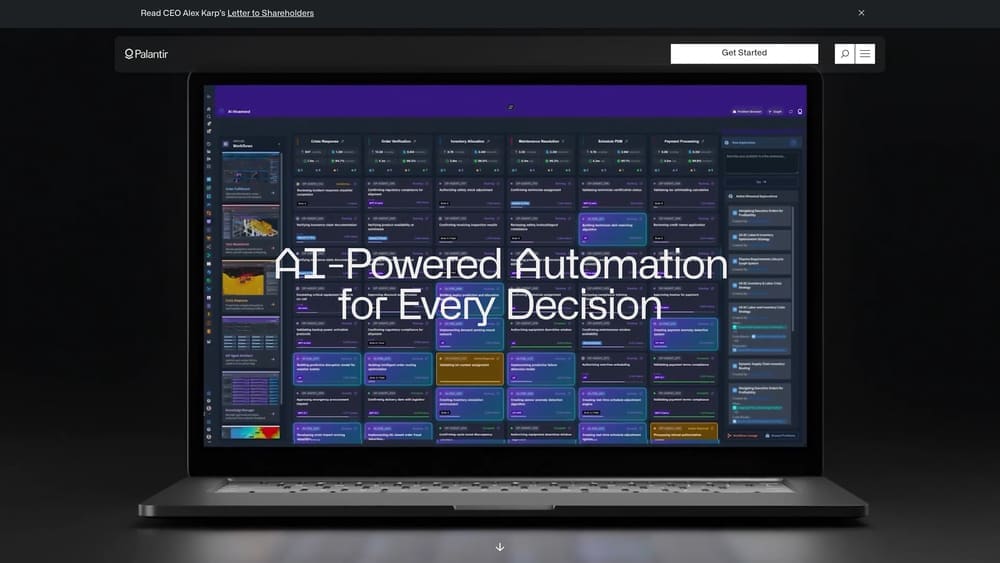
Palantir Foundry is a general-purpose data integration platform that’s gained strong adoption in pharma for handling intricate harmonization scenarios.
Where This Tool Shines
Foundry excels at the messy reality of enterprise data integration. When you’re pulling from dozens of disparate sources—legacy databases, vendor systems, research repositories, manufacturing data—and need to create a unified view, the platform’s ontology framework provides the flexibility to model complex relationships.
The collaborative transformation workflows let domain experts and data engineers work together. Scientists can define the business logic while engineers handle the technical implementation, reducing the translation errors that plague traditional ETL projects.
Key Features
Flexible Ontology Creation: Build custom data models that represent your organization’s unique terminology and relationships without forcing everything into predefined schemas.
Multi-Format Support: Handles structured databases, unstructured documents, images, and genomic files in the same pipeline.
Data Lineage Tracking: Complete visibility into data transformations from source to final output—critical for regulatory audits.
Collaborative Workflows: Code-based and no-code interfaces let different team members contribute based on their expertise.
Version Control: Every transformation is versioned and reversible—you can always trace back to understand why data looks the way it does.
Best For
Enterprise-scale pharma companies with mature data teams, organizations that need to integrate data across R&D, manufacturing, and commercial operations, and teams comfortable with some technical complexity in exchange for maximum flexibility.
Pricing
Enterprise pricing typically reaches seven figures annually for large deployments. Implementation and professional services add significant costs on top of platform licensing.
5. Databricks Lakehouse for Life Sciences
Best for: Organizations building modern data infrastructure with strong analytics and machine learning requirements.
Databricks Lakehouse for Life Sciences is a unified data platform built on Apache Spark with life sciences-specific accelerators and governance features.
Where This Tool Shines
The lakehouse architecture solves a fundamental problem: traditional data warehouses can’t handle unstructured genomic data, while data lakes lack the governance and performance needed for regulatory work. Databricks bridges this gap with Delta Lake, giving you both flexibility and reliability.
The platform’s strength is the tight integration between data engineering, analytics, and machine learning. You harmonize data once, then multiple teams can access it for different purposes without creating copies or dealing with version control issues.
Key Features
Unity Catalog: Centralized governance for data access, lineage, and quality across all workloads—critical for compliance.
Delta Lake Foundation: ACID transactions and schema enforcement on data lakes prevent the data quality issues that plague traditional lake architectures.
Life Sciences Accelerators: Pre-built notebooks and pipelines for common biopharma workflows like OMOP transformation and genomic variant annotation.
MLflow Integration: Track and deploy machine learning models with the same governance and lineage as your data pipelines.
Multi-Cloud Support: Deploy on AWS, Azure, or GCP with consistent functionality—avoid vendor lock-in.
Best For
Data science and bioinformatics teams building custom analytics pipelines, organizations that need to support both SQL-based analysis and Python/R workflows, and teams with strong technical capabilities who want infrastructure flexibility.
Pricing
Consumption-based pricing where costs scale with compute usage. Organizations typically spend low-to-mid six figures annually, but costs can vary significantly based on workload intensity.
6. TriNetX
Best for: Protocol feasibility and patient cohort identification across hundreds of healthcare organizations.
TriNetX is a global federated health research network with pre-harmonized data from over 200 healthcare organizations.
Where This Tool Shines
The federated query capability is the key differentiator. Instead of negotiating data sharing agreements with individual hospitals and waiting months for data transfers, you query across the entire network in real-time. Patient data never leaves the source institution, but you get aggregated results instantly.
For protocol feasibility, this is transformative. You can test different inclusion and exclusion criteria across millions of patient records in minutes, identifying which sites have sufficient patient populations before you commit to a trial design.
Key Features
Federated Network: Real-time queries across 200+ healthcare organizations without moving patient data from source systems.
Pre-Harmonized Data: All network data mapped to a common data model—no harmonization work required on your end.
Feasibility Analysis: Test protocol criteria against real patient populations to optimize inclusion/exclusion criteria before trial launch.
Protocol Optimization: Compare different trial design options based on actual patient availability and characteristics.
De-Identified Datasets: Request curated datasets for deeper analysis while maintaining patient privacy and HIPAA compliance.
Best For
Clinical development teams conducting feasibility studies, site selection specialists, and medical affairs teams conducting real-world evidence research. Particularly valuable for rare disease trials where patient identification is challenging.
Pricing
Subscription-based pricing varies by level of network access. Enterprise subscriptions with full network access and dataset capabilities typically run six figures annually.
7. Medidata Rave
Best for: Clinical trial sponsors who need an industry-standard EDC with integrated data standardization.
Medidata Rave is the most widely deployed EDC platform in biopharma with integrated CDMS and CDISC-compliant export capabilities.
Where This Tool Shines
Market penetration is a real advantage. With thousands of trials running on Rave, sites and CROs are already trained on the platform. You avoid the site startup friction that comes with less common systems, and you can tap into a deep pool of experienced Rave administrators and programmers.
Rave Coder handles medical coding automatically, applying MedDRA and WHODrug dictionaries as data is entered. This eliminates a major post-database lock task and ensures coding consistency across studies.
Key Features
Integrated EDC and CDMS: Data capture, cleaning, and management in a single platform with unified workflows.
Rave Coder: Automated medical coding with MedDRA and WHODrug integration—coding happens in real-time as data is entered.
CDISC-Compliant Exports: Generate submission-ready SDTM and ADaM datasets with validated mapping specifications.
Synthetic Control Arms: Access to historical trial data for creating external control groups—reduces patient burden and accelerates timelines.
Global Site Network: Extensive training resources and support infrastructure for sites worldwide.
Best For
Pharmaceutical companies running traditional Phase II-IV trials, CROs managing multiple sponsor studies, and organizations that value the ecosystem of trained users and service providers around the platform.
Pricing
Per-study licensing with costs scaling based on patient enrollment and study complexity. Enterprise agreements available for sponsors with multiple concurrent trials.
8. Flatiron Health OncoCloud
Best for: Oncology drug developers who need curated, harmonized real-world data from cancer care settings.
Flatiron Health OncoCloud provides oncology-specific EHR data that’s been abstracted, curated, and harmonized by clinical experts.
Where This Tool Shines
The data quality is exceptional because of the human curation layer. Oncology-trained abstractors review medical records and extract structured data points that automated systems miss. Treatment regimens, response assessments, and progression dates are captured with clinical context that pure EHR data lacks.
The clinico-genomic datasets combine treatment outcomes with genomic testing results. For precision oncology development, this linkage between molecular characteristics and real-world treatment responses is exactly what you need for target validation and biomarker discovery.
Key Features
Curated EHR Data: Oncology-trained abstractors extract structured data from unstructured medical records for higher accuracy than automated extraction.
Flatiron Data Model: Oncology-specific data model captures treatment regimens, response assessments, and disease progression with clinical nuance.
Clinico-Genomic Datasets: Linked genomic testing results and treatment outcomes for biomarker research and precision medicine development.
Regulatory-Grade Quality: Data quality standards meet requirements for regulatory submissions and health authority interactions.
Longitudinal Patient Journeys: Track patients across multiple treatment lines and care settings for real-world progression and survival analysis.
Best For
Oncology drug developers conducting real-world evidence studies, medical affairs teams supporting label expansions, and precision medicine programs that need genomic-clinical linkage. The focus is narrow but deep—if you’re in oncology, the data quality justifies the cost.
Pricing
Data licensing plus platform access with custom pricing based on therapeutic area and use case. Costs typically reach six figures for comprehensive dataset access.
9. Tamr
Best for: Organizations with massive entity resolution challenges across billions of disparate records.
Tamr is a machine learning-powered data mastering platform that specializes in resolving entities and harmonizing records at scale.
Where This Tool Shines
Entity resolution is where Tamr excels. When you’re trying to match patient records across different systems with inconsistent identifiers, or reconcile drug names across multiple databases with varying naming conventions, the ML algorithms handle fuzzy matching that would take humans months to resolve manually.
The human-in-the-loop feedback mechanism improves accuracy over time. Domain experts review uncertain matches, and the system learns from their decisions to make better predictions on future records. This approach scales to billions of records while maintaining high accuracy.
Key Features
ML-Driven Entity Resolution: Machine learning algorithms match and merge records across disparate sources with inconsistent identifiers.
Human-in-the-Loop Feedback: Domain experts train the system by reviewing uncertain matches—accuracy improves with use.
Billion-Record Scale: Architecture handles massive datasets without performance degradation—tested on multi-billion record deployments.
Cloud-Native Deployment: Runs on AWS, Azure, or GCP with elastic scaling based on workload demands.
Data Lineage: Complete audit trail of all transformations and matching decisions for regulatory compliance.
Best For
Large pharma companies consolidating data from multiple acquisitions, organizations with complex supplier or investigator master data challenges, and teams dealing with patient matching across fragmented healthcare systems. The ROI comes from scale—smaller datasets don’t justify the platform cost.
Pricing
Enterprise pricing based on data volume and number of use cases. Implementations typically require significant professional services for initial setup and training.
Making the Right Choice
The right harmonization tool depends on your specific bottleneck. If speed is your constraint and you’re dealing with multi-modal data across distributed environments, Lifebit Trusted Data Factory delivers the fastest time-to-analysis with its AI-powered approach. The 48-hour harmonization timeline versus traditional 12-month projects fundamentally changes what’s possible in drug development timelines.
For organizations running traditional clinical trials with CDISC submission requirements, Veeva Vault CDMS provides the most seamless path from data capture to regulatory filing. The native CDISC support eliminates back-end transformation work entirely.
When you need both the harmonization platform and access to massive real-world data assets, IQVIA Connected Intelligence offers the most comprehensive package. The pre-harmonized datasets save months of standardization effort, though the cost reflects the value of the proprietary data.
Oncology developers should seriously consider Flatiron Health OncoCloud despite the narrow focus. The curated, clinico-genomic data quality exceeds what you can achieve with general-purpose platforms, and for precision oncology programs, that data quality directly impacts development success rates.
The market is moving toward federated architectures and AI-powered automation. Data sovereignty requirements across jurisdictions make centralized harmonization increasingly difficult, while AI reduces the manual effort that historically made harmonization so expensive and time-consuming. Tools that combine these capabilities—harmonizing data without moving it, using AI to automate what used to require teams of engineers—represent the future of biopharma data integration.
Ready to see how AI-powered harmonization can compress months of work into days? Get started for free with Lifebit and explore how federated data harmonization works with your own datasets.