

Use case · Pharma · European Health Data Space
EHDS Readiness for Pharma without giving your data away
From 2029, health data your company holds in the EU must be available for approved research. Trial and genomic data follow in 2031. Lifebit's Federated Trusted Research Environment lets you answer every permit while the data never leaves the source.
2029
Records, registries and biobanks
2031
Trial, genomic and cohort data
3 months
To deliver data after a permit
4%
Of worldwide turnover, top fine
The challenge
A new duty to share, and three open questions
Trade secrets
Data protected by IP or trade secrets must still be made available. The law gives safeguards, not a veto, so control has to come from how access works.
Readiness
National access bodies are still being set up and the technical rules arrive by 2027. Data teams need a plan before the details are final.
Trials in Europe
Europe's share of commercial trials fell from 22% to 12% in a decade. Sponsors want EU data to make trials easier to run, not harder.
How it works
The analysis travels. The data stays.
The law already describes this model: named users, logged activity, and only anonymous results leaving a secure processing environment.
01
Permit arrives
The national access body grants a researcher a permit for your data.
02
Workspace opens
Only the people named in the permit get a workspace, in your cloud, in the EU.
03
Analysis runs on site
Code goes to the data. Every action is logged to a named user.
04
Airlock releases results
Each output is checked. Only anonymous results leave.
Two roles, one environment
Answer permits, and use Europe's data
Your cloud account · EU region
Trial data
Registries
Genomic data
Permit workspaces
Named users · full audit trail
Airlock
→
Anonymous results
Data never leaves the source
As a data holder
Share access, keep control
Answer every permit from one secure environment, not a new extract each time
Flag protected data once, with safeguards built into the workspace
Keep a full record for the national access body
As a data user
Plan trials and train AI
Size cohorts and pick sites across countries before you commit
Find eligible patients without moving a single record
Train and test AI models, an allowed use under the law
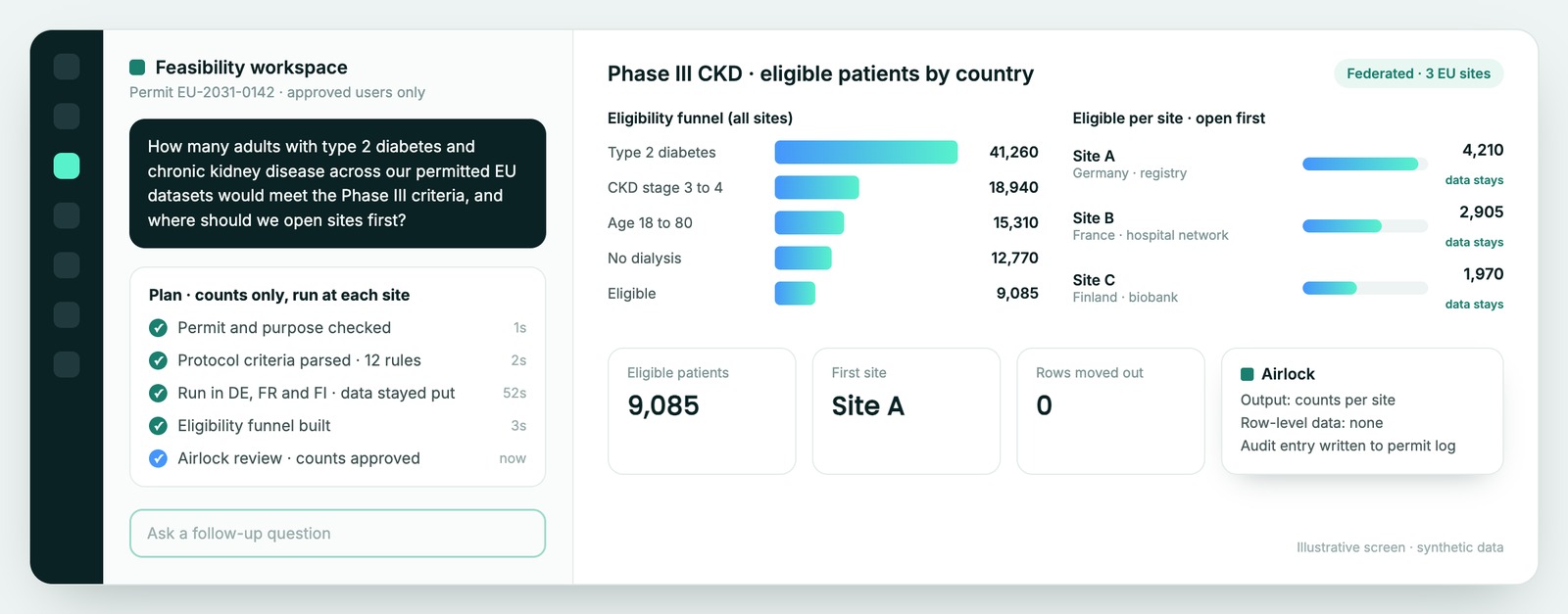
Illustrative screen with synthetic data
Why Lifebit
Built for national research environments
Since 2020
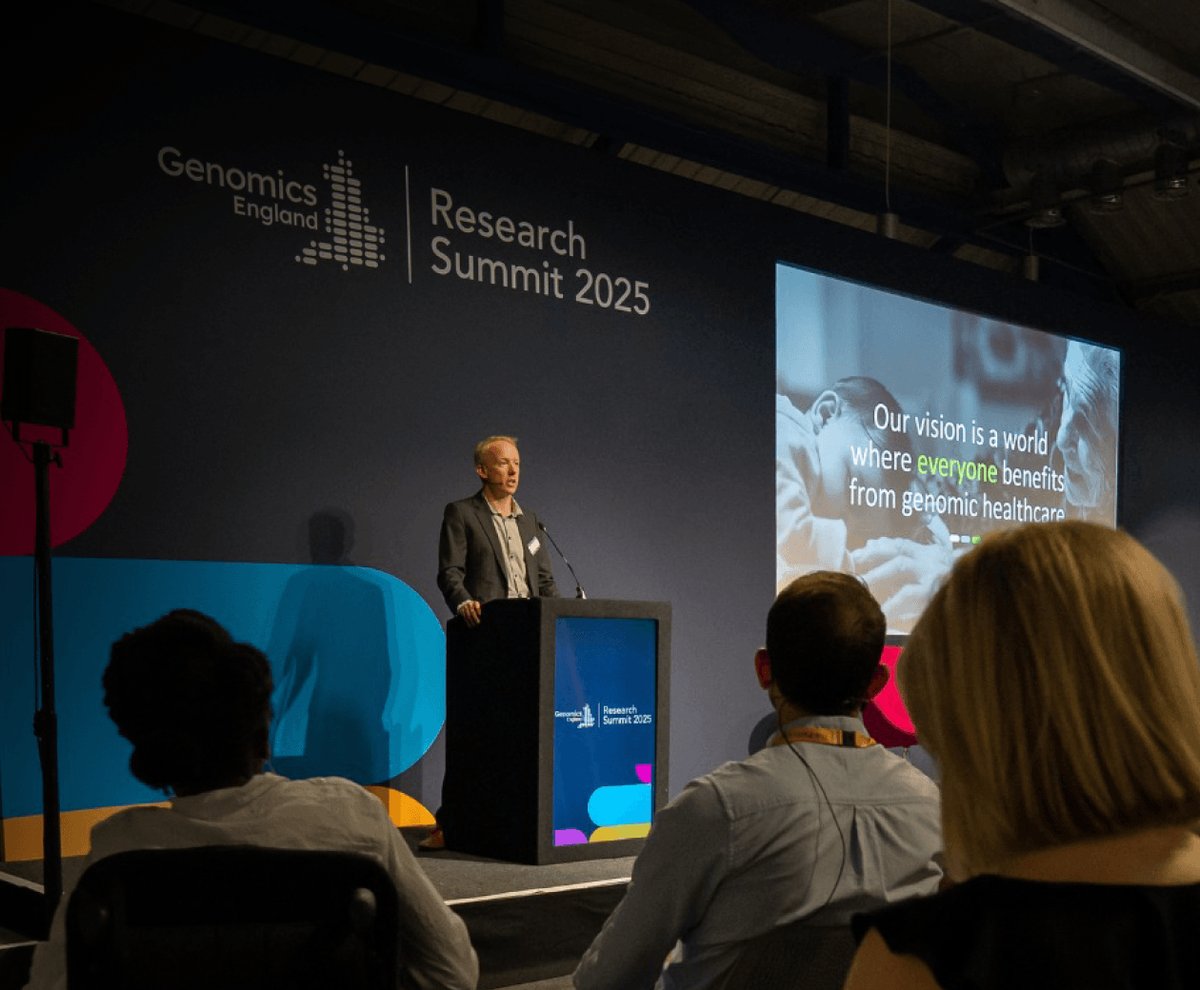
Genomics England's Research Environment runs on Lifebit, and was chosen again in 2026 after a formal procurement.
First
The UK's first multi-party federated analysis between two research environments, with NIHR Cambridge in 2022.
Your cloud
Deployed in your own account and region. ISO 27001, ISO 27701 and SOC 2 Type II.
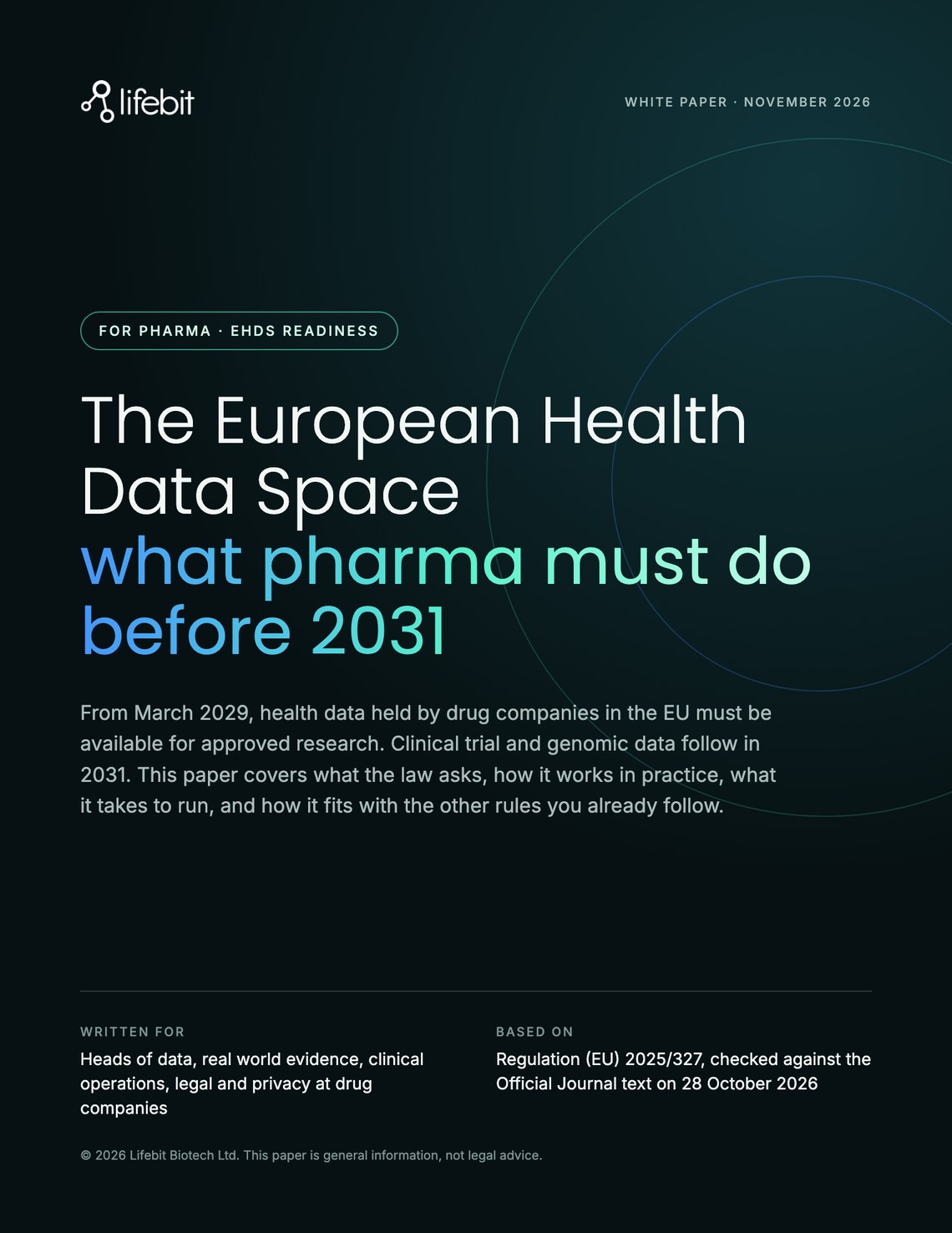
Free white paper
What pharma must do before 2031
The dates, how it works in practice, the infrastructure and people it takes, upkeep, how it fits with GDPR and other rules, and a readiness checklist. Every claim checked against the law.
Get the white paperQuestions
Frequently asked
Does the EHDS apply to drug companies?
Yes. Companies that develop health products or do health research and hold electronic health data in the EU are health data holders. Only micro enterprises are exempt.
When does clinical trial data come into scope?
On 26 March 2031, together with genomic, other omics and research cohort data. Health records, registries and biobank data come first, on 26 March 2029.
Can we refuse access to protect trade secrets?
Not outright. You flag protected data and the national access body sets safeguards. It refuses access only when the risk cannot be reduced.
Is Lifebit EHDS certified?
No certification scheme exists yet; the EU's technical rules for secure processing environments are due by March 2027. Lifebit is built to the same controls the law describes.